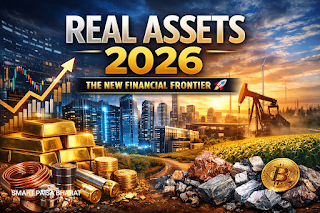
Why Smart Money Is Moving Back to Real Assets in 2026

Real Assets & Commodities in a “New World”: A Deep Dive for the 2026 Investor
In today’s rapidly evolving global environment, investors are navigating constant financial headlines, disruptive technologies, and shifting geopolitical realities. Confidence in traditional systems—those built on legacy financial structures—is gradually eroding. As we step deeper into this “New World,” a growing number of investors are rediscovering real assets and commodities—tangible, physical resources such as real estate, metals, and agricultural land.
But what’s driving this renewed interest? And how can a modern investor position themselves wisely for 2026 and beyond?
This blog explores the global forces accelerating this shift and explains what real assets could mean for long-term portfolio resilience.
Why the “New World” Calls for Real Assets
Real assets are physical in nature and derive intrinsic value from their direct utility. Unlike stocks or bonds—which represent financial claims—real assets exist independently of paper systems.
Several defining forces of the “New World” are pushing investors toward these tangible stores of value:
1. Hedging Against Global Uncertainty
Geopolitical conflicts, trade realignments, and inflationary pressures have increased systemic risk. Historically, real assets have demonstrated stronger value preservation during periods of economic stress compared to purely financial instruments.
2. Shifting Monetary Dynamics
Central bank policies are no longer the sole drivers of asset pricing. Gold, for example, has reached record highs despite elevated interest rates—signaling that geopolitical risk management and sovereign diversification are becoming dominant price influences.
3. Long-Term Structural Megatrends
Decarbonization, onshoring of supply chains, and the AI-driven digital economy are creating sustained physical demand. These trends are not temporary—they are reshaping material needs across industries for decades to come.
The Global Landscape: Three Core Asset Arenas
1. Real Estate: Precision Over Speculation
The post-2020 real estate surge has transitioned into a more selective phase. Broad appreciation has slowed, making sector-specific opportunities more relevant.
Key Trends and Drivers
Investment in Structurally Supported Segments
- Drivers: Aging populations, housing shortages, logistics growth, and supply chain reconfiguration
- Sectors: Senior housing, rental apartments, industrial warehousing, data centers
Cash Flow Takes Priority
- Drivers: Higher interest rates relative to the pre-2020 era
- Strategy: Emphasizing rental income, operational efficiency, and asset management over speculative price appreciation
Rise of Green & Sustainable Buildings
- Drivers: Regulatory pressure, tenant ESG mandates, cost efficiency
- Impact: Higher valuations, lower vacancy risk, and long-term compliance advantages
Investor Note: Listed REITs have largely adjusted to higher financing costs and may offer liquid exposure to these trends with income potential.
2. Commodities & Precious Metals: Strategic, Not Tactical
Commodities are no longer just portfolio diversifiers—they are essential inputs for the modern economy.
Industrial Metals
Copper, lithium, and nickel are foundational to electrification, renewable energy, and electric vehicles. Supply remains constrained due to long development timelines, reinforcing long-term demand strength.
Precious Metals
- Gold: Increasingly treated as a global monetary reserve asset, supported by sustained central bank accumulation
- Silver: Combines monetary characteristics with strong industrial demand from solar, electronics, and automotive sectors—currently operating in a structural supply deficit
Energy Assets
The global energy transition is gradual. Traditional energy sources remain vital, while renewable infrastructure, grids, and storage systems represent the growth frontier—creating layered opportunities across the spectrum.
3. Sustainability as a Financial Variable
Real assets are deeply linked to environmental impact. Real estate alone contributes nearly 40% of global emissions.
For investors, sustainability is no longer ethical branding—it is financial risk management. Energy-efficient buildings tend to lower operating costs, attract premium tenants, and reduce regulatory exposure. ESG integration has become a core component of asset valuation.
Integrating Real Assets: A Practical Portfolio Framework
Real assets work best as strategic complements, not replacements. Below is a risk-tiered approach, with global and Indian relevance.
Low to Moderate Risk
- Global infrastructure or commodity ETFs
- Indian REITs and InvITs for income-generating exposure
Moderate to Higher Risk
- Equity investments in renewables, mining, energy, or sustainable real estate firms
- Sector-focused Indian mutual funds tied to manufacturing, capital goods, or energy
Direct / Alternative Exposure
- Physical or paper gold via Sovereign Gold Bonds (SGBs), gold ETFs, or digital gold
- Direct property investments (capital-intensive and illiquid, suited for experienced investors)
Important: Allocation decisions should align with personal goals, risk tolerance, and time horizon. Professional advice is recommended.
The Road Ahead: Staying Grounded in a Digital World
The “New World” brings complexity—but also clarity. Real assets offer investors exposure to tangible economic activity, structural growth trends, and potential protection from volatility.
As 2026 approaches, success will depend less on chasing trends and more on understanding the deep forces shaping the global economy: demographics, decarbonization, and digitization.
In an increasingly virtual financial landscape, real assets provide something rare—substance.
FAQs – Youth-Oriented & Beginner-Friendly
Q1. I’m under 30—are real assets even relevant for me?
Yes. Indirect routes like REITs, ETFs, and gold bonds allow young investors to start small while benefiting from long-term structural trends.
Q2. Is crypto replacing gold for the younger generation?
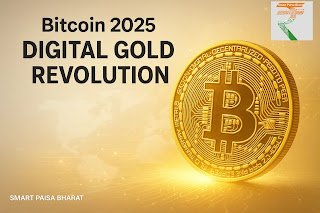
Crypto and gold serve different roles. Crypto is speculative and technology-driven, while gold remains a time-tested hedge against systemic risk. Many investors hold both.
Q3. Can I invest in real estate without buying property?
Absolutely. REITs and InvITs let you invest in large commercial assets with liquidity and lower capital requirements.
Q4. Are commodities too volatile for beginners?
Direct trading can be volatile, but diversified funds or ETFs smooth out risk and are more beginner-friendly.
Q5. Is sustainability just a trend or a real investment factor?
It’s structural. Regulations, tenant preferences, and capital flows increasingly favor sustainable assets—making ESG financially relevant, not optional.