The Hidden Economy of You: Navigating the $250 Billion Market for Human Data
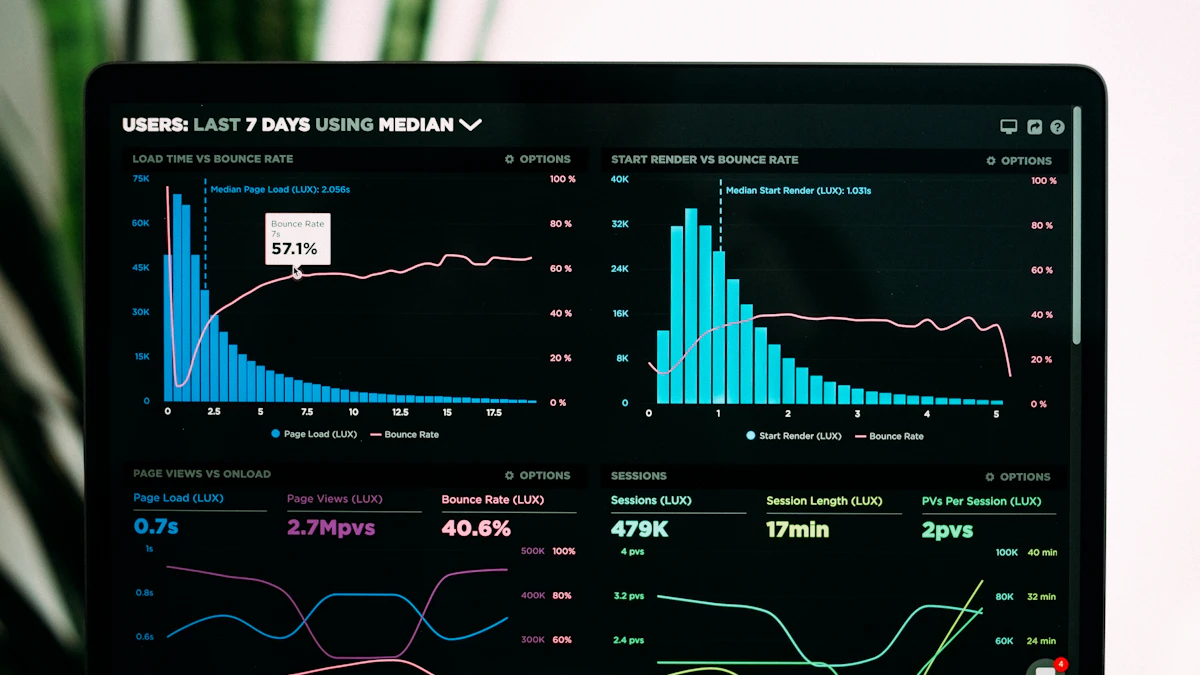
Every click, swipe, purchase, and movement generates data—a digital exhaust trail now considered “the world’s most valuable resource.” In fact, personal data has overtaken oil in economic value, fueling a $250 billion global data economy, expected to grow by 20% annually through 2030. Yet most individuals remain unaware that they are both the source and product of this booming system.
From Passive Collection to Active Participation: The Evolution of the Data Economy
The rise of the personal data economy marks a dramatic transformation in how value is created and distributed:
Phase 1: The Rise of Surveillance Capitalism (2000s)
Tech giants like Google and Facebook discovered that behavioral data could predict human actions. Harvard professor Shoshana Zuboff called this "the unilateral claiming of private human experience as free raw material" for commercial use. Between 2000 and 2004, their revenues soared by 3,590%, proving how lucrative user data could be.
Phase 2: The Data Brokerage Boom (2010s)
A vast $200 billion data broker industry emerged. Companies like Acxiom ran over 23,000 servers, collecting and analyzing personal data from public records, loyalty programs, and IoT devices. These brokers create detailed personal profiles, often selling them for as little as $79 per list—all without users’ knowledge.
Phase 3: The Rise of Personal Data Markets (2020s)
New platforms such as Datacoup, Meeco, and Datawallet now allow individuals to sell their data directly. As Meeco’s founder stated, "The individual becomes an equal participant in the value created." At the same time, pay-for-privacy models emerged, offering privacy only to those who can afford it. Senator Elizabeth Warren criticized this approach, warning it leads to “unequal access to privacy.”
How Your Data Is Monetized: Corporate vs. Consumer Models
Corporate Monetization Strategies
| Model Type |
Mechanism |
Examples |
| Direct Monetization |
Selling raw or processed data to third parties |
Data brokers selling app-based location data |
| Indirect Monetization |
Using data to enhance services or reduce costs |
Tesla improving autonomous driving with vehicle data |
| Data Wrapping |
Enhancing product value with data-driven features |
John Deere offering farm analytics via subscriptions |
From hospitals selling anonymized patient data to retailers targeting shoppers through purchase history, companies routinely extract massive value from our digital behavior—often without our consent.
Consumer-Centric Data Models
- Personal Data Economy (PDE): Platforms like Datacoup compensate users for sharing data. While empowering, these models often favor platforms in terms of control and profit.
- Pay-for-Privacy (PFP): Companies like AT&T offered discounts to customers who agreed to data tracking. Critics argue this model turns privacy into a “luxury commodity.”
The Ethical Dilemma: Privacy, Inequality, and Accountability
1. The Inequality Gap
Pay-for-privacy models can force low-income users to trade privacy for essential services, deepening social inequality. According to the Columbia Law Review, this approach "worsens unequal access to privacy."
2. Lack of Transparency
Most users don’t know where their data goes. Smart devices—even children’s toys—often transmit data to third parties. Former FTC Commissioner Julie Brill warned that consumers are "losing control over their most private and sensitive information."
3. Weak Regulation
With over 4,000 data brokers globally, opting out can feel like a game of Whack-a-Mole. Regulations like GDPR and CCPA offer protections, but enforcement is inconsistent. The World Bank highlights a key dilemma: treating data as property risks exploitation, while treating it as a right limits its economic use.
Building a Fairer Data Future
Technology-Driven Solutions
- Self-Sovereign Identity (SSI): Tools like MySudo let users create digital identities and share only the data they choose.
- Blockchain Marketplaces: Platforms like Streamr enable secure, anonymous data transactions.
- Analytics-as-a-Service (AaaS): Cloud-based analytics platforms allow smaller businesses to extract insights ethically—without building massive infrastructure.
Policy Recommendations
- Data Trusts: Independent bodies manage data on behalf of users or communities, such as health data cooperatives.
- Stratified Consent Systems: Opt-in frameworks that specify exactly how and when data is used.
- Revenue Sharing Laws: Mandate platforms to share a percentage of profits from user data (e.g., 15%) with contributors or society.
Ethical Monetization: The Way Forward
Data monetization isn’t inherently bad—but today’s models are extractive and opaque.
What Companies Should Do
- Conduct data impact assessments before launching monetization initiatives
- Implement transparent revenue-sharing models
- Publish algorithmic accountability reports to identify and reduce bias
What Users Can Do
Use privacy-focused tools like MySudo, calculate your data’s value with platforms like DataWallet, demand transparency from digital services, and support legislation like the EU Data Governance Act that empowers user bargaining.
Conclusion: Empowering the Individual in the Digital Economy
The data genie isn’t going back in the bottle. But we can—and must—build systems that give individuals agency, transparency, and shared value. When people become true participants in the digital economy—not just passive data sources—we can move from a model of surveillance capitalism to one rooted in human dignity, ethics, and trust.
How much is your data worth? Find out using tools like DataWallet's valuation calculator—and start demanding fair compensation for your digital self
⚠️ Disclaimer
This blog post is for informational purposes only. It does not constitute legal, financial, or data privacy advice. Please consult with qualified professionals before making decisions related to data monetization or privacy.
📚 Related Articles You May Like


