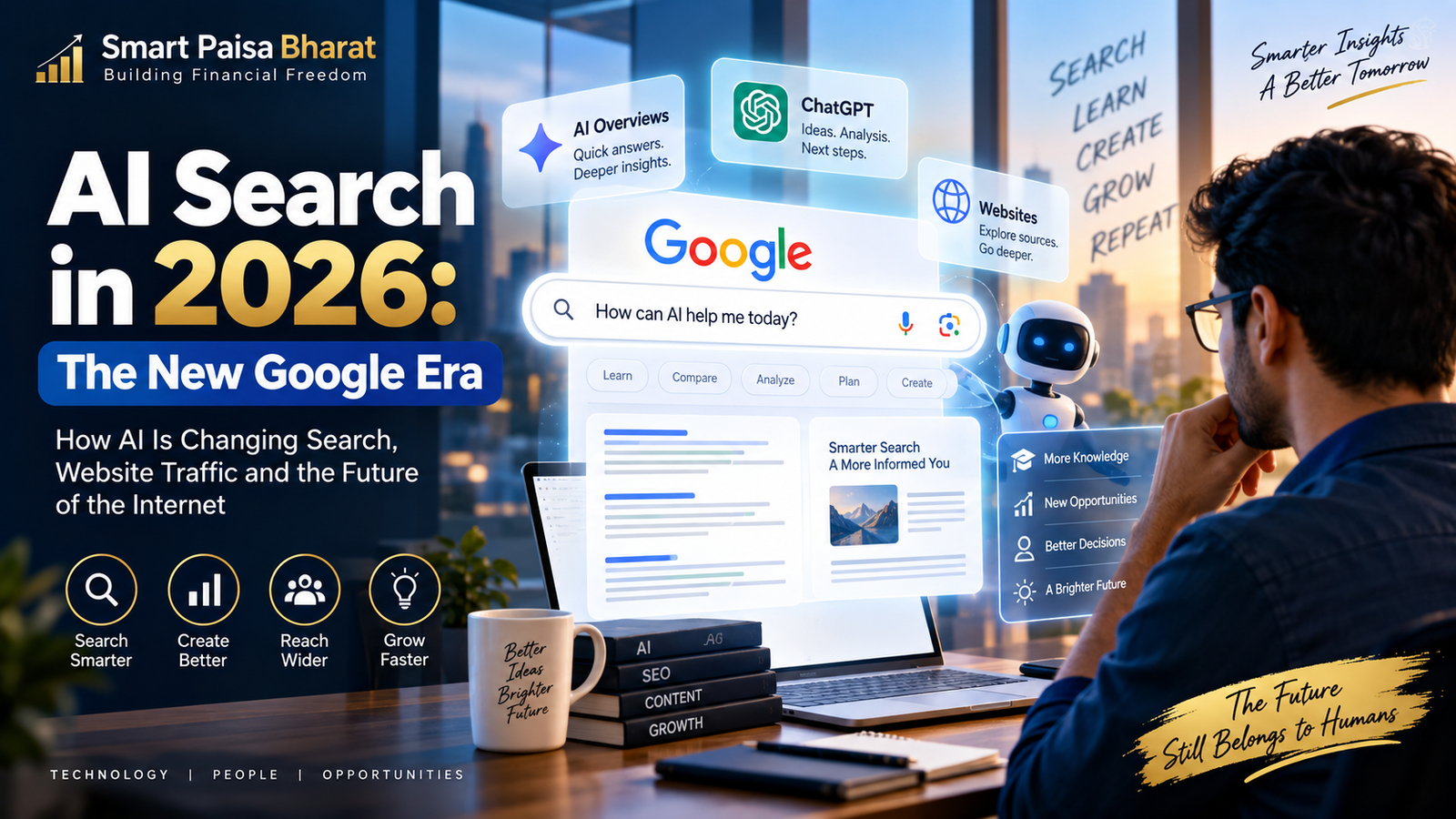
AI Search in 2026: How Google Is Changing Search
That does not mean the traditional web is disappearing. Search is evolving, and the relationship between Google, AI systems, publishers and readers is becoming more interactive.
For bloggers, businesses and website owners, the important question is no longer simply “How do I rank on Google?”
A better question is: “How can I create something genuinely useful that people want to discover, read and trust?”
In this guide, we explore how AI Search is changing Google, why website traffic may behave differently, what AI means for publishers and creators, and how you can prepare your website for the next stage of search.
What Is AI Search in 2026?
AI Search is a search experience that uses artificial intelligence to understand a user’s question and provide a more conversational and contextual response.
Traditional search usually starts with a keyword. AI-assisted search can understand a longer question, identify different parts of the problem and help the user explore related information.
A traditional search might be: “best laptop under ₹60,000”
An AI-assisted question could be: “I need a laptop under ₹60,000 for video editing, office work and occasional gaming. Which specifications should I prioritize?”
The second question provides much more context. That gives search systems a better understanding of what the user actually needs.
Google’s AI-powered search experiences are part of this broader transition. Instead of treating every search as a simple keyword lookup, modern search is increasingly designed around questions, context and follow-up exploration.
How Is AI Changing Google Search?
Google Search is evolving from a simple list of webpages into a more interactive information-discovery experience.
AI-generated summaries and conversational search features can help users understand a topic before they decide which sources deserve a deeper visit.
For website owners, this creates both an opportunity and a challenge.
Useful websites can become sources that users discover when they want more detail, evidence, experience or specialist information.
The challenge:If a search system can answer a basic question directly, users may not need to click a generic article for that information alone.
This is why website owners need to think beyond simply placing keywords on a page.
Will AI Search Reduce Website Traffic?
It can change how and when people click on websites, but there is no single traffic percentage that applies to every website or every search.
Some searches can be answered directly inside the search experience. Other searches require deeper research, original sources, product comparisons, specialist knowledge or first-hand experience.
That difference matters.
AI may reduce the need for some basic information pages while increasing the importance of websites that provide depth, originality, evidence and practical value.
Instead of asking whether AI will destroy website traffic, publishers should ask which types of visits are most valuable and why a reader would choose their website over a quick AI-generated answer.
What Is a Zero-Click Search?
A zero-click search happens when a user gets enough information from the search results or search interface without visiting another website.
This idea existed before generative AI. Search engines have long provided direct answers, maps, calculators, knowledge panels and other features.
AI-powered search adds another layer because it can summarize more complicated questions in a conversational format.
What type of content is most vulnerable?
- Very basic definitions
- Generic summaries
- Content that repeats information available on many other websites
- Thin articles with little original value
- Pages created mainly to target keywords rather than solve a reader’s problem
What Kind of Content Can Still Stand Out?
The easiest information for AI systems to summarize is usually the information that already exists everywhere.
That means publishers have a strong reason to create something more distinctive.
1. First-hand experience
Explain what you actually tested, observed, compared or learned. Real experience adds context that cannot be produced simply by rearranging common information.
2. Original research
Surveys, experiments, calculations, datasets and carefully documented observations can make an article more useful and more difficult to replace with a generic summary.
3. Practical examples
Show readers how an idea works in a real situation. Examples often make complicated subjects easier to understand.
4. Clear analysis
Don’t only tell readers what happened. Explain why it matters and what they should watch next.
5. Specialist knowledge
A focused website with genuine expertise can provide depth that a short general-purpose answer may not provide.
AI SEO: What Should Website Owners Focus On?
AI SEO does not mean writing strange sentences designed for machines.
The foundation is still useful content that people can understand and trust.
- Write for people first.
- Answer the main question clearly.
- Use descriptive headings.
- Provide original examples.
- Verify important facts and statistics.
- Keep outdated information updated.
- Use relevant internal links.
- Cite reliable sources when making important factual claims.
- Make the author and website information clear.
- Give readers a reason to continue beyond a search summary.
What Is AEO and Why Does It Matter?
AEO, or Answer Engine Optimization, is a term commonly used for structuring information so that it is easy for answer-oriented search experiences and people to understand.
The best AEO strategy is not keyword stuffing. It is clarity.
Make answers easy to find
If your article answers a question, make that answer obvious. Don’t force the reader to scroll through several paragraphs before discovering the basic explanation.
Use question-based headings
Headings such as “What Is AI Search?” and “How Does AI Search Affect Website Traffic?” naturally match the way people ask questions.
Use structured information
Lists, comparison tables, short explanations and FAQs can make complex information easier to scan.
Keep language natural
Write the way a knowledgeable human would explain the topic to another person. Avoid repeating the same keyword simply because an SEO plugin recommends a certain frequency.
How AI Search Could Change the Publisher Business
Publishing has always changed when technology changes.
Search engines changed how people discovered newspapers and blogs. Social media changed how stories spread. Smartphones changed how people consumed information.
AI is creating another major shift.
Producing basic text has become easier, which means the internet can become even more crowded with similar content.
That makes originality more important.
It is about producing information that has a reason to exist.
A well-researched guide, original case study, useful calculator, first-hand review or carefully explained analysis can offer something more valuable than another generic article.
How AI Is Changing Jobs and Skills
AI is also changing the way people work.
However, the future of work is more complicated than simply saying that AI will eliminate entire occupations.
Many jobs contain a mixture of repetitive tasks, creative work, communication, decision-making and human interaction. AI may automate some tasks while helping people perform other tasks more efficiently.
Tasks that can be more exposed to automation
- Repetitive data processing
- Routine document handling
- Basic information classification
- Some repetitive administrative workflows
- Predictable content formatting
- Some routine customer-service activities
Skills that remain important
- Critical thinking
- Communication
- Creativity
- Problem solving
- Leadership
- Relationship building
- Domain expertise
- Ethical judgment
The more useful question is therefore not simply “Which jobs will disappear?”
A better question is: “Which tasks will change, and which skills will become more valuable?”
AI Skills That Can Help Professionals in 2026
| Skill | Why It Matters |
|---|---|
| AI literacy | Understanding how to use AI tools effectively can improve everyday productivity. |
| Critical thinking | AI-generated information still needs human review and judgment. |
| Communication | Clear communication remains important for teamwork, leadership and customer relationships. |
| Creativity | Original ideas and creative direction can help people stand out in crowded markets. |
| Domain expertise | Experience helps professionals evaluate whether AI output makes sense in a real-world context. |
| Adaptability | AI tools and workflows will continue to change quickly. |
Should Bloggers Stop Using AI?
Not necessarily.
AI can be useful for brainstorming, outlining, editing, coding, data analysis, research assistance and repetitive tasks.
The bigger problem is publishing unverified machine-generated material as if it were carefully researched human work.
Human idea → AI assistance → independent verification → human editing → original insight → final fact check.
The human should remain responsible for the finished article.
How to Prepare Your Website for AI Search
1. Understand your audience
Know the questions your readers actually want answered. Build content around real problems rather than only around keyword volume.
2. Create topic depth
Build related articles around important subjects and connect them with useful internal links.
3. Add original value
Use your own calculations, examples, experiences, comparisons and observations wherever possible.
4. Refresh older content
Review older articles when statistics, technology or recommendations change. Updating valuable content can be more useful than constantly creating new pages.
5. Build trust
Keep your About page, author information, contact details and editorial information clear and accessible.
6. Monitor your performance
Use Google Search Console and your analytics data to understand which topics bring impressions, clicks and engaged visitors.
7. Build more than one traffic source
Search is important, but newsletters, social platforms, communities and direct visitors can also help build a more resilient website.
What Does AI Search Mean for Google Discover?
Google Search and Google Discover work differently.
Search usually starts with an active question. Discover presents content based on what users may be interested in.
For publishers, this means a Discover-friendly article needs more than keywords.
- Use a clear and relevant headline.
- Use a high-quality featured image.
- Give readers a strong reason to open the article.
- Avoid misleading clickbait.
- Bring the main story forward quickly.
- Provide original information or perspective.
- Keep important facts current.
There is no guaranteed formula for appearing in Google Discover. The best approach is to consistently publish useful content that readers genuinely want to explore.
What Could the Future of Search Look Like?
The future of search is unlikely to be just one giant AI answer box.
Instead, search is likely to become a combination of AI answers, traditional results, videos, specialist websites, communities, tools and original sources.
AI can provide a starting point. Websites can provide the deeper experience.
That could include original research, detailed comparisons, expert commentary, calculators, first-hand testing or practical guidance.
The easier information becomes to summarize, the more important it becomes to offer information that is difficult to replace.
AI Search Strategy: 2026 Checklist
- ☐ Use a clear primary topic.
- ☐ Answer the main question early.
- ☐ Use one clear H1 from the WordPress post title.
- ☐ Organize the article with useful H2 and H3 headings.
- ☐ Add original examples and insights.
- ☐ Verify statistics before publishing.
- ☐ Avoid exaggerated future predictions.
- ☐ Add useful internal links.
- ☐ Link to trustworthy external sources where appropriate.
- ☐ Use a relevant featured image.
- ☐ Add descriptive image alt text.
- ☐ Keep the article updated.
- ☐ Monitor Search Console performance.
- ☐ Build trust and a recognizable website brand.
Frequently Asked Questions About AI Search
Is Google Search being replaced by AI?
Google is adding AI-powered experiences to Search rather than simply replacing traditional Search. AI features can change how users explore information while websites and sources remain part of the wider search ecosystem.
Will AI Search reduce website traffic?
It can reduce clicks for some searches when users receive enough information directly in the search experience. However, the effect varies by topic, query, website and user behaviour.
What is AEO?
AEO stands for Answer Engine Optimization. It generally refers to making information clear, structured and easy for answer-oriented search experiences and people to understand.
Can AI-assisted content rank on Google?
AI assistance itself is not the main measure of content quality. What matters is whether the finished page provides useful, original and trustworthy value for readers.
How can a small website compete with large websites?
A smaller website can focus on a specific audience, original experience, specialist knowledge, useful tools, first-hand testing and topics where it can provide genuine depth.
How can I optimize my website for AI Search?
Focus on helpful content, clear answers, strong organization, original information, reliable sources, internal linking and a good user experience. Avoid creating content solely to manipulate search rankings.
The Search Game Is Changing
AI has changed how quickly information can be summarized. But that does not make useful websites irrelevant.
It raises the standard for what deserves attention.
Similar Posts
Meta Muse Is Here: The AI Agent That Works for You—Even While You Sleep
Meta Muse Has Arrived: The AI Agent That Can Actually Work for You Technology • Artificial Intelligence • AI Agents Meta is no longer asking AI to simply answer your questions. It wants AI to actually do the work. Key Takeaways Meta Muse is designed as a personal AI agent. It can work through multi-step…
AI Agents Explained: How They Work & What They Do
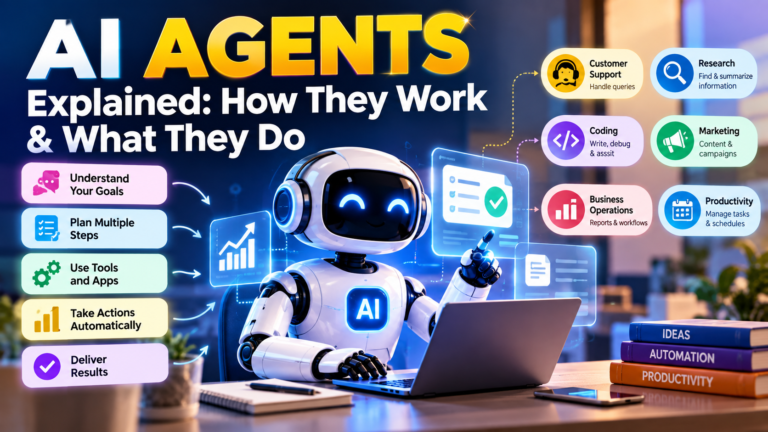
AI agents are AI-powered systems that can understand a goal, work through multiple steps, use connected tools, and complete tasks within defined limits. Unlike a traditional chatbot that mainly answers questions, an AI agent can be designed to take action as part of a workflow.. But what exactly is an AI agent? How is it…
What Is AEO? Answer Engine Optimization & AI Search Guide
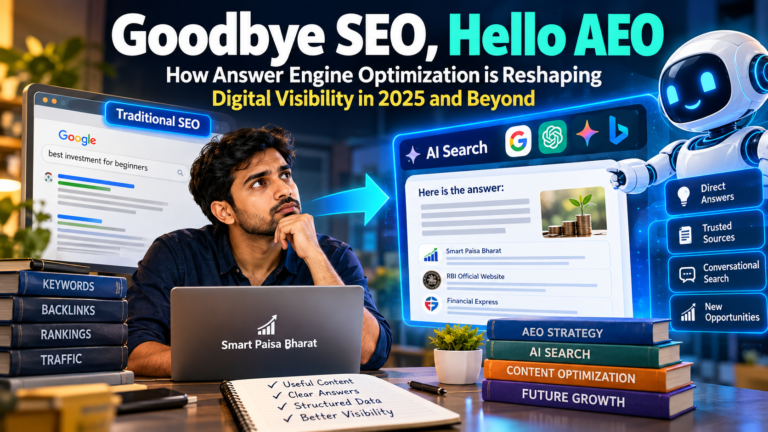
Think about the last time you searched for something online. You may have typed a few words into Google, opened several websites, compared the information and finally found your answer. Today, that experience is changing. People increasingly ask complete questions and receive AI-generated summaries, explanations and links to supporting sources. For website owners, bloggers and…
Best AI Note-Taking Tools in 2026: Top Apps & Features
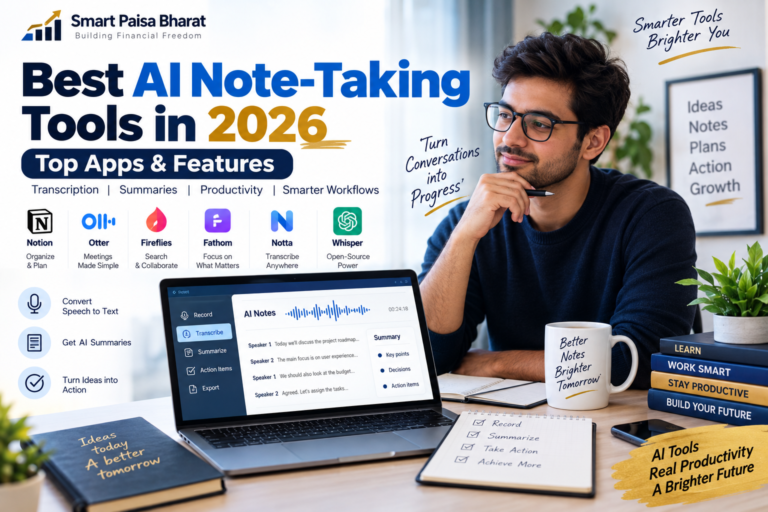
AI note-taking has changed the way people capture information. Instead of trying to write every sentence during a meeting, lecture, interview or brainstorming session, you can now let AI turn spoken conversations into searchable notes, summaries and actionable tasks. But choosing an AI note-taking tool is not simply about finding the app with the most…
How China Is Building Its AI Ecosystem for the Future
Artificial intelligence is no longer just a technology story. It is becoming part of how countries think about productivity, infrastructure, manufacturing, software and long-term economic growth. China’s AI strategy is particularly interesting because the country is approaching artificial intelligence as a broad technology ecosystem rather than focusing only on individual chatbot products. Government policy, technology…
Perplexity Comet Browser: Features, AI Assistant & 2026 Guide
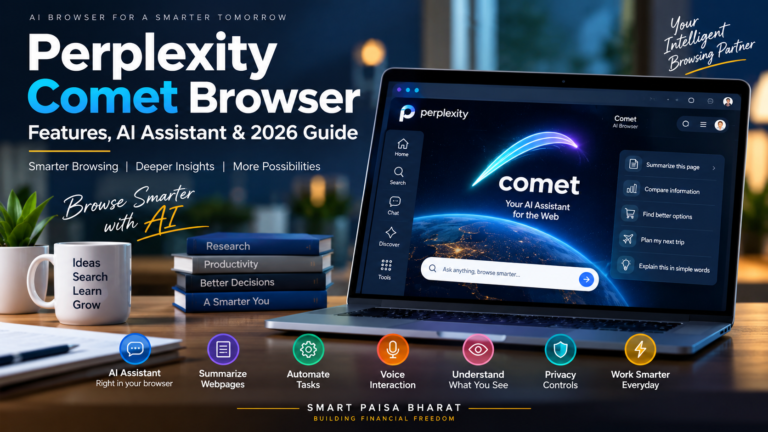
The way people use the internet is changing. For years, a web browser mainly helped us open websites, search for information, read articles and move from one tab to another. Artificial intelligence is now adding a new layer to that experience. Perplexity Comet Browser is one of the products exploring this new approach. Instead of…